Kate Klopper
060 711 5912
kateklopper44@gmail.com

What is reflexology?
Reflexology is a practice that involves applying pressure to specific points on the feet, hands, or ears, which are believed to correspond to different organs and systems of the body.
How reflexology works
Reflexology is based on the principle that there are reflex areas in the feet, hands, and ears that correspond to organs, glands, and specific parts of the body. Here’s how it works:
-
Reflex Zones: Reflexologists believe that the body is mapped into specific zones or reflex areas on the feet, hands, and ears. These zones are connected through the nervous system to corresponding parts of the body.
-
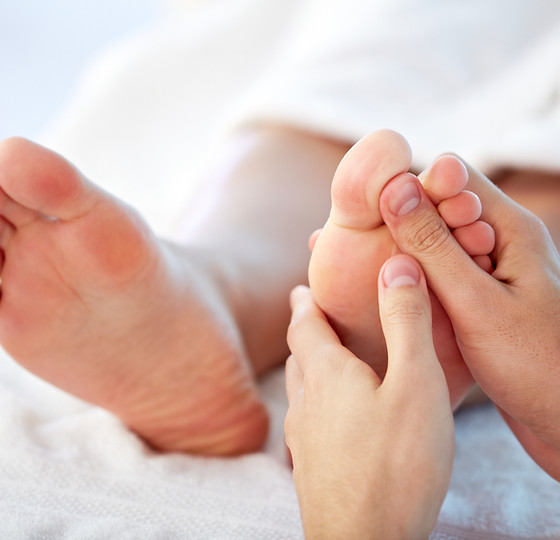
Stimulation: By applying pressure to these reflex areas using specific techniques such as thumb or finger walking, kneading, and rotation, reflexologists aim to stimulate nerve endings and improve blood flow to the corresponding body part.
-
Promotion of Relaxation: Reflexology is primarily used to promote relaxation, reduce stress, and enhance overall well-being. The gentle pressure and massage techniques applied during a session are thought to release tension and encourage the body's natural healing mechanisms.
-
Holistic Approach: Practitioners view reflexology as a holistic therapy that treats the whole person, not just specific symptoms. By improving circulation and promoting relaxation, reflexology may help alleviate various ailments and support the body's ability to heal itself.
-
Complementary Therapy: Reflexology is often used alongside conventional medical treatments to support overall health and wellness. It is not intended to diagnose or cure medical conditions but rather to complement other therapies.
-
Client Experience: During a reflexology session, clients typically lie down or sit comfortably while the reflexologist works on their feet, hands, or ears. The session usually lasts between 30 to 60 minutes, during which the client may experience relaxation, relief from tension, and improved mood.
Overall, reflexology is a non-invasive, gentle therapy that focuses on promoting relaxation and enhancing the body’s natural healing abilities through targeted pressure and stimulation of reflex areas.
Benefits of reflexology
Reflexology offers several potential benefits, both for physical health and emotional well-being. Here are some of the commonly cited benefits of reflexology:
-
Stress Reduction: Reflexology helps to induce a deep state of relaxation, which can help reduce stress levels. This relaxation response may also lower heart rate and blood pressure.
-
Improved Circulation: By stimulating nerve endings and increasing blood flow to specific areas of the body through pressure and massage techniques, reflexology can help improve circulation throughout the body.
-
Pain Relief: Reflexology may help alleviate pain and discomfort in various parts of the body, including headaches, migraines, and chronic pain conditions such as arthritis.
-
Enhanced Energy Levels: Many people report feeling more energized and revitalized after a reflexology session, as it helps to balance energy pathways and promote overall well-being.
-
Better Sleep: Reflexology may promote better sleep patterns by reducing stress and tension, allowing for deeper relaxation and improved sleep quality.
-
Improved Digestion: By stimulating reflex points related to the digestive system, reflexology can help alleviate digestive issues such as indigestion, constipation, and bloating.
-
Immune System Support: Reflexology may help strengthen the immune system by reducing stress and promoting relaxation, which in turn supports the body's ability to heal and defend against illness.
-
Detoxification: Some proponents of reflexology believe that it helps to eliminate toxins from the body and improve overall detoxification processes.
-
Emotional Well-being: Reflexology can have a positive impact on emotional health by promoting relaxation, reducing anxiety and depression, and enhancing mood.
-
Complementary Therapy: Reflexology is often used as a complementary therapy alongside conventional medical treatments to support overall health and well-being.
It's important to note that individual experiences with reflexology may vary, and it is not intended to replace medical treatment for serious health conditions. Always consult with a healthcare professional before starting any new therapy or treatment regimen.
When to consider reflexology
Reflexology can be considered as a complementary therapy for various reasons and situations. Here are some common scenarios when reflexology might be considered:
-
Stress and Anxiety Relief: Reflexology is often sought after to help alleviate stress and anxiety. It promotes relaxation and can provide a calming effect, making it beneficial for individuals experiencing high levels of stress.
-
Pain Management: People may consider reflexology for managing pain, such as headaches, migraines, back pain, and joint pain. The therapy aims to stimulate nerve endings and improve circulation, potentially reducing discomfort in targeted areas.
-
Digestive Issues: Reflexology is sometimes used to address digestive problems like indigestion, constipation, and bloating. By targeting reflex points related to the digestive system, it may help improve overall digestive function.
-
Sleep Disorders: Reflexology may be considered by individuals struggling with sleep disorders, as it can promote relaxation and help achieve better sleep quality.
-
Pregnancy Support: Reflexology is sometimes used during pregnancy to help manage common discomforts such as back pain, swelling in the feet, and stress. However, it's important to consult with a healthcare provider before seeking reflexology during pregnancy.
-
General Well-being: Many people choose reflexology as a way to enhance their overall well-being and maintain balance in their physical and emotional health.
-
Preventative Care: Some individuals incorporate reflexology into their wellness routines as a preventive measure to support their immune system and overall health.
-
Complementary Therapy: Reflexology is often used alongside conventional medical treatments to support healing and enhance the effectiveness of other therapies.
It's essential to approach reflexology as a complementary therapy and not a replacement for medical treatment when dealing with serious health conditions. Always consult with a qualified reflexologist or healthcare professional to determine if reflexology is suitable for your specific needs and health goals.
Who can benefit from reflexology?
Reflexology can be beneficial for a wide range of individuals, but it's important to consider certain factors and precautions. Here’s a general guideline on who can benefit from reflexology:
-
Adults: Reflexology is commonly practiced on adults of all ages. It can help alleviate stress, improve circulation, and support overall well-being.
-
Elderly: Reflexology can be especially beneficial for older adults by promoting relaxation, reducing stiffness, and improving mobility. It may also help with circulation issues common in elderly individuals.
-
Pregnant Women: Reflexology may be used during pregnancy to help manage discomforts such as back pain, swollen feet, and stress. However, it's crucial to consult with a healthcare provider before seeking reflexology during pregnancy.
-
Children and Teens: Reflexology can be adapted for children and teenagers to help with relaxation, stress reduction, and improving general well-being. However, it should be performed by a qualified reflexologist with experience working with younger clients.
-
Athletes: Reflexology may benefit athletes by aiding in muscle recovery, reducing tension, and improving circulation to support performance and prevent injuries.
-
People with Chronic Conditions: Reflexology can be considered as a complementary therapy for individuals with chronic conditions such as arthritis, fibromyalgia, and digestive disorders. It may help alleviate symptoms and improve overall quality of life.
-
People Seeking Stress Relief: Anyone experiencing stress, anxiety, or tension can benefit from reflexology's relaxing effects and stress-reducing benefits.
About Tranquil Touch Reflexology
Tranquil Touch Reflexology is dedicated to providing soothing and therapeutic reflexology services that promote relaxation and holistic well-being. With a focus on personalized care, our skilled reflexologists use gentle pressure techniques on specific points of the feet, hands, or ears to stimulate the body's natural healing processes and improve overall health. Whether you seek relief from stress, pain management, or simply want to enhance your relaxation experience, Tranquil Touch Reflexology offers an at home experience where you can unwind and rejuvenate. Our mission is to help clients achieve balance and tranquility through the healing power of touch.
"The healing power of touch knows no bounds."
Tranquil Touch Reflexology
Our Services
Remote Reflexology Session
Experience the benefits of a personalized remote reflexology session from the comfort of your own space. Our one-on-one sessions are tailored to address your specific needs and promote relaxation and well-being.
Get in Touch
Connect with us for remote sessions and inquiries